

SNAP in 2026: New food limits and how much you could get each month

Maddie Parker
Published Oct 5, 2026
The Supplemental Nutrition Assistance Program (SNAP) helps millions of people buy food.
In 2026, there are updates that affect (1) which foods SNAP can be used to buy in some states and (2) how much money households may receive each month, depending on household size.
New SNAP food restrictions in some states
Some states are adding limits on certain items as part of efforts to encourage healthier eating. These rules are not the same everywhere and can vary by state.
Items being restricted in several states include:
- Sugary drinks and sodas, including some drinks sweetened with sugar or artificial sweeteners
- Candy and sweets, such as candy, chocolate, gummies, and similar items
- Highly processed snacks and desserts, which may include packaged desserts or ultra-processed snack foods that are high in sugar and calories
States that have started these restrictions
The article lists these states as having started implementing SNAP restrictions:
- Arkansas
- Colorado
- Florida
- Idaho
- Indiana
- Iowa
- Louisiana
- Nebraska
- Oklahoma
- Texas
- Utah
- West Virginia
SNAP benefit amounts in 2026 (by household size)
SNAP benefits depend on household size and other eligibility factors.
Below are the maximum monthly benefit amounts and the estimated average monthly benefit amounts reported for 2026:
- 1 person
- Maximum monthly benefit: $298
- Estimated average monthly benefit: $204
- 2 people
- Maximum monthly benefit: $546
- Estimated average monthly benefit: $370
- 3 people
- Maximum monthly benefit: $785
- Estimated average monthly benefit: $588
- 4 people
- Maximum monthly benefit: $994
- Estimated average monthly benefit: $715
- 5 people
- Maximum monthly benefit: $1,183
- Estimated average monthly benefit: $839
- 6 people
- Maximum monthly benefit: $1,421
- Estimated average monthly benefit: $954
- 7 people
- Maximum monthly benefit: $1,571
- Estimated average monthly benefit: $996
- 8 people
- Maximum monthly benefit: $1,789
- Estimated average monthly benefit: $1,246
These amounts increase as household size grows. The exact benefit a household receives can differ based on income, expenses, and other program rules.
-
Subscribe to secure your food stamps and learn more about this government benefit
Popular Articles





Weekly newsletter
Receive the latest releases and exclusive articles straight to your inbox every week.
Recent Articles
View all posts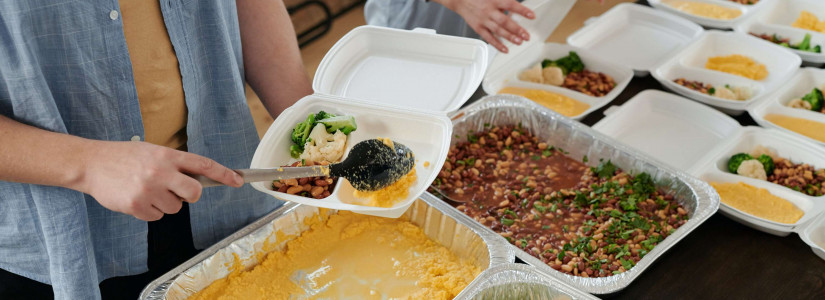
When SNAP Shrinks, Local Food Banks Step Up (But They Can’t Do It Alone)...
Across the U.S., food pantries are working overtime as grocery aid gets harder to keep. More than five million people have lost SNAP benefits since the One Big Beautiful Bill passed last year. ...

SNAP Benefits Are Going Up for 2027: What Families Need to Know...
Millions of Americans on food assistance are getting a small boost this fall. The USDA published its fiscal year 2027 cost-of-living adjustments, which took effect on October 1, 2026. How Much Are...
SNAP Rule Changes in 2027: What You Need to Know...
Federal updates to the Supplemental Nutrition Assistance Program (SNAP) have significantly shifted food assistance eligibility nationwide. According to data from the U.S. Department of Agriculture (USDA) analyzed by th...

Navigating Your SNAP Recertification for October 2026...
Recertifying your food stamps can feel stressful, but it doesn't have to be overwhelming. We are here to help you understand every step so your household keeps getting the food assistance you need. What Is S...

What to Know About the Upcoming SNAP Cost-of-Living Increases...
Starting October 1, 2026, millions of food stamp recipients will see a slight bump in their monthly benefits. The U.S. Department of Agriculture (USDA) official memo confirms that annual cost-of-living adju...
Fueling Your Fitness: Can You Buy Creatine with EBT?...
There comes a point in life when we finally decide to get healthier and build muscle. However, it's often a struggle to find food to help you gain at a friendly price. Nutrition matters for muscle building, and ...